Aluminum vs. Wrought Iron Fencing: Which Is Right for Your Home
Wrought iron brings old-world presence, but it demands upkeep. Aluminum delivers the same timeless look with rust-free performance, lower maintenance, and long-term value that simply makes more sense for modern homeowners.
10 min read
April 10, 2024
When you’re planning to enclose a property, the material you choose for the fence has lasting implications for your budget, curb appeal and peace of mind. At Grandview Fence, we often hear from homeowners torn between the timeless strength of wrought iron and the modern convenience of aluminum. As a service‑disabled, veteran‑owned business headquartered in Michigan with nationwide reach, we’ve spent decades designing fences that balance beauty, durability and practicality. In this article we’ll compare wrought iron and aluminum fencing so you can decide which is the better investment for your home or business.
Material Differences: Strength, Rust and Maintenance
Wrought iron: robust but rust‑prone
Wrought iron has been prized for centuries because it is heavy, dense and incredibly strong. Its high tensile strength makes it an excellent choice for security fencing, and the metal can be forged into ornate shapes. However, wrought iron contains iron; when iron reacts with oxygen and moisture it forms rust, a flaky oxide that eats away at the metal. Without frequent maintenance—sanding, priming and repainting—wrought‑iron fences will corrode, especially in humid or coastal environments.
Aluminum: naturally rust‑resistant
Aluminum is a non‑ferrous metal, so it cannot rust. When exposed to oxygen it quickly develops a thin layer of aluminum oxide that bonds tightly to the surface and acts as a protective barrier. Unlike iron oxide, this oxide layer doesn’t flake off and will self‑heal if scratched. Quality aluminum fences are also finished with a powder‑coated paint that resists ultraviolet light and prevents fading or chipping. That combination of natural oxidation and baked‑on coating allows aluminum fences to remain corrosion‑free in rain, snow and even coastal climates.
Maintenance requirements
Because wrought iron is susceptible to rust, it demands ongoing upkeep—regular inspections, sanding of rust spots, repainting and sealing. In contrast, aluminum fencing requires little more than an occasional rinse with a garden hose. The powder‑coat finish remains intact for years, so there is no need for staining or repainting. For busy homeowners, rental properties or vacation homes, aluminum’s low‑maintenance profile is a major advantage.
Weight and Installation
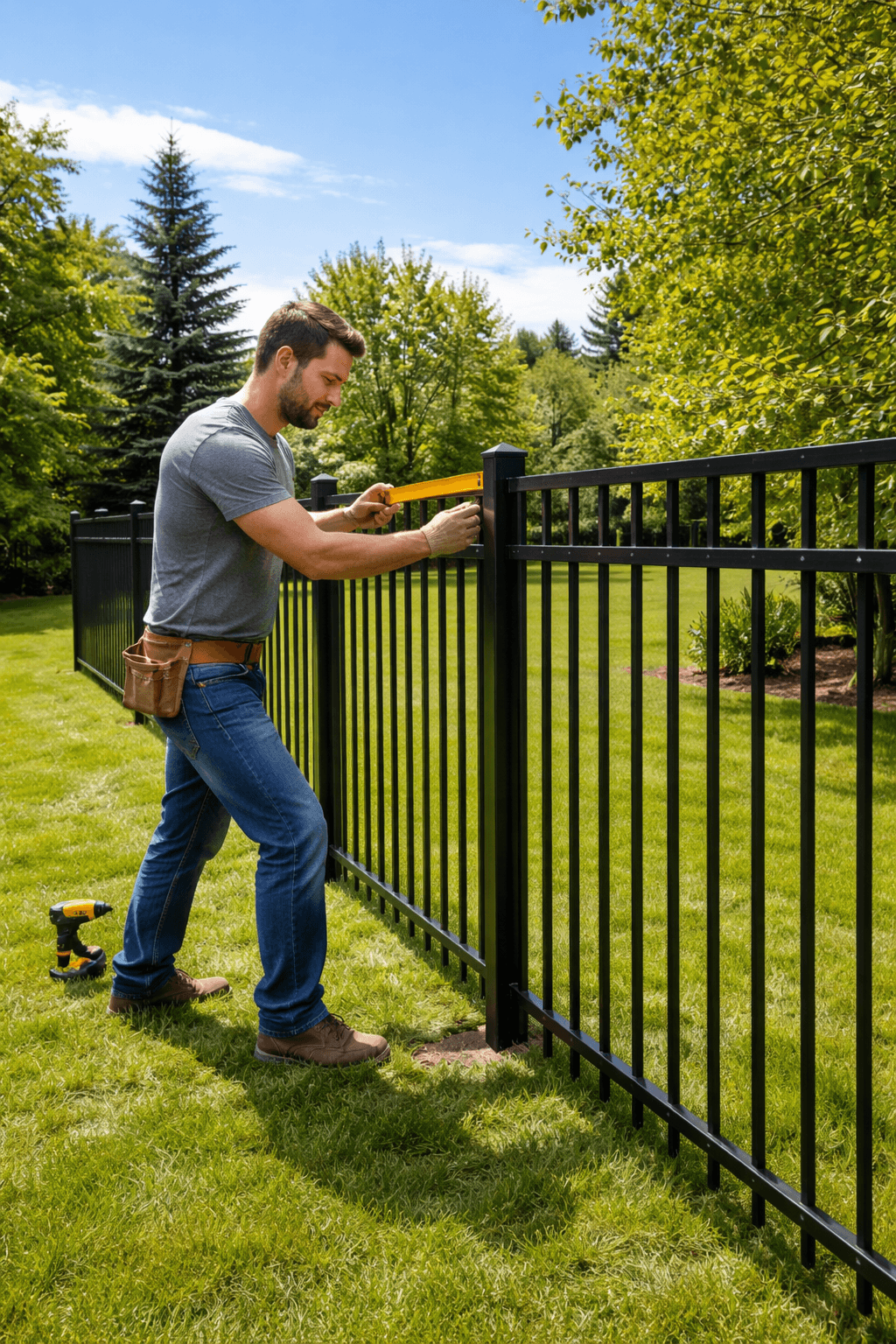
Wrought iron’s density contributes to its strength but also makes it heavy and difficult to handle. Installing wrought‑iron panels requires specialized equipment and skilled welders; the panels must be transported carefully, and taller sections need substantial footings. Aluminum, on the other hand, is lightweight. DIY guides note that aluminum fence panels are much easier to move and install than wrought iron, which lowers labor costs and makes them a favorite among do‑it‑yourselfers. Pre‑assembled aluminum panels and standard hardware further streamline installation, meaning you can complete a weekend project without investing in heavy equipment.
Cost Considerations
Price plays a significant role in material selection. Wrought iron typically costs 20–40 % more than aluminum and requires specialized installation, which increases labor expenses. Once installed, wrought iron also incurs ongoing maintenance costs for painting and rust prevention. Aluminum fencing is generally less expensive per linear foot and offers lower lifetime costs because it doesn’t need repainting or rust mitigation. Over decades of service, the cumulative savings make aluminum a cost‑effective choice for most residential and commercial properties.
Longevity and Durability
A properly maintained wrought‑iron fence can last for generations, but its longevity is closely tied to regular upkeep. Exposure to moisture accelerates rust, shortening the life of neglected iron fences. High‑quality aluminum fencing, by contrast, is designed to endure 30–50 years or more without structural degradation. Because aluminum resists corrosion and doesn’t warp or crack, it remains stable in rain, snow and humidity. Some metal fencing analyses note that aluminum typically provides 25–30 years of reliable service with minimal maintenance, while steel or wrought iron may offer similar longevity only with diligent care.
Environmental Sustainability
Environmental impact is a growing consideration for homeowners. Aluminum fencing stands out here because it is 100 % recyclable. According to modern fencing manufacturers, aluminum fence components can be repurposed indefinitely without losing quality. Recycling aluminum requires only about 5 % of the energy needed to produce new metal, dramatically reducing carbon emissions. Industry guides also note that 75 % of the aluminum ever produced is still in use. By choosing aluminum, you’re investing in a material that can be recycled over and over and doesn’t rely on deforestation or petroleum‐derived resins. Wrought iron is recyclable too, but its heavier weight increases transportation emissions and it requires frequent painting—processes that release volatile organic compounds into the environment.
Aesthetics and Design Options
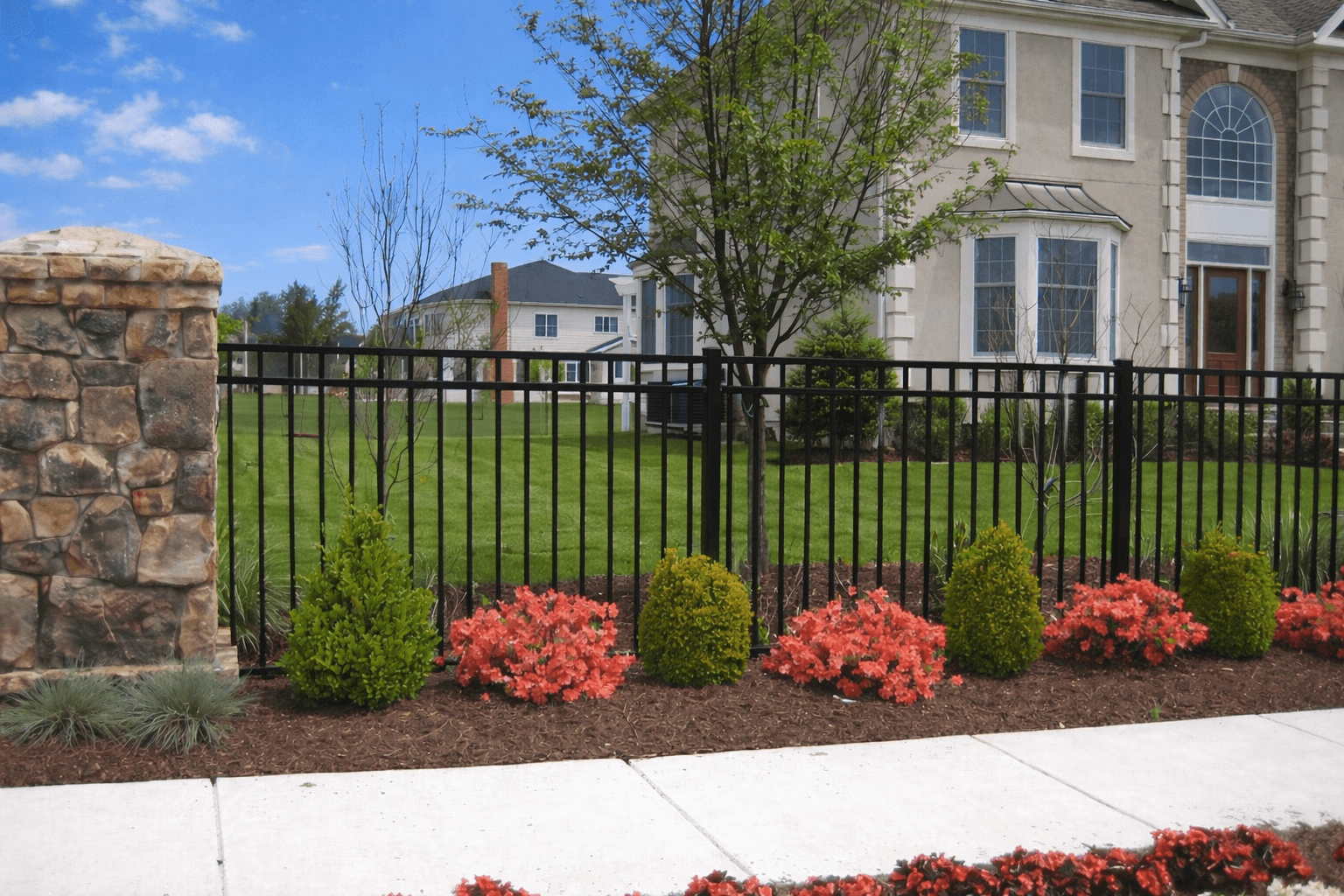
Wrought iron is celebrated for its classic, ornate look and the ability to create intricate patterns. Its aesthetic appeals to owners of historic homes or those seeking a very traditional appearance. Aluminum fences can now replicate this look thanks to modern extrusion and coating techniques. Manufacturers craft aluminum panels with decorative finials, arched gates and spear tops that mimic wrought iron’s elegance. The big difference is maintenance: aluminum keeps its finish for decades with zero repainting, whereas wrought iron needs regular touch‑ups to maintain its beauty.
Aluminum also offers greater flexibility in color and design. Powder‑coated aluminum panels come in a variety of finishes—from matte black to textured bronze—allowing homeowners to match or accent their architecture. And because aluminum is lighter, it’s easier to create arched gates or decorative elements without engineering heavy support structures.
Choosing the Right Fence for You
So which material is right? If your top priority is maximum strength for a high‑security perimeter and you’re willing to invest time and money in maintenance, wrought iron still has its place. But for most homeowners and businesses, aluminum offers the best balance of strength, longevity and convenience. Aluminum fences provide ample security for residential and commercial properties, they won’t rust or peel, and they’re easier and less expensive to install. Add the fact that aluminum is recyclable and environmentally friendly, and it’s clear why aluminum has become the modern standard for ornamental fencing.
The Grandview Fence Advantage
At Grandview Fence, we take aluminum to the next level. Our panels are extruded from structural‑grade aluminum alloy and feature a premium powder‑coated finish. This means you get the timeless look of wrought iron with the maintenance‑free performance of aluminum. We offer several styles to fit your property:
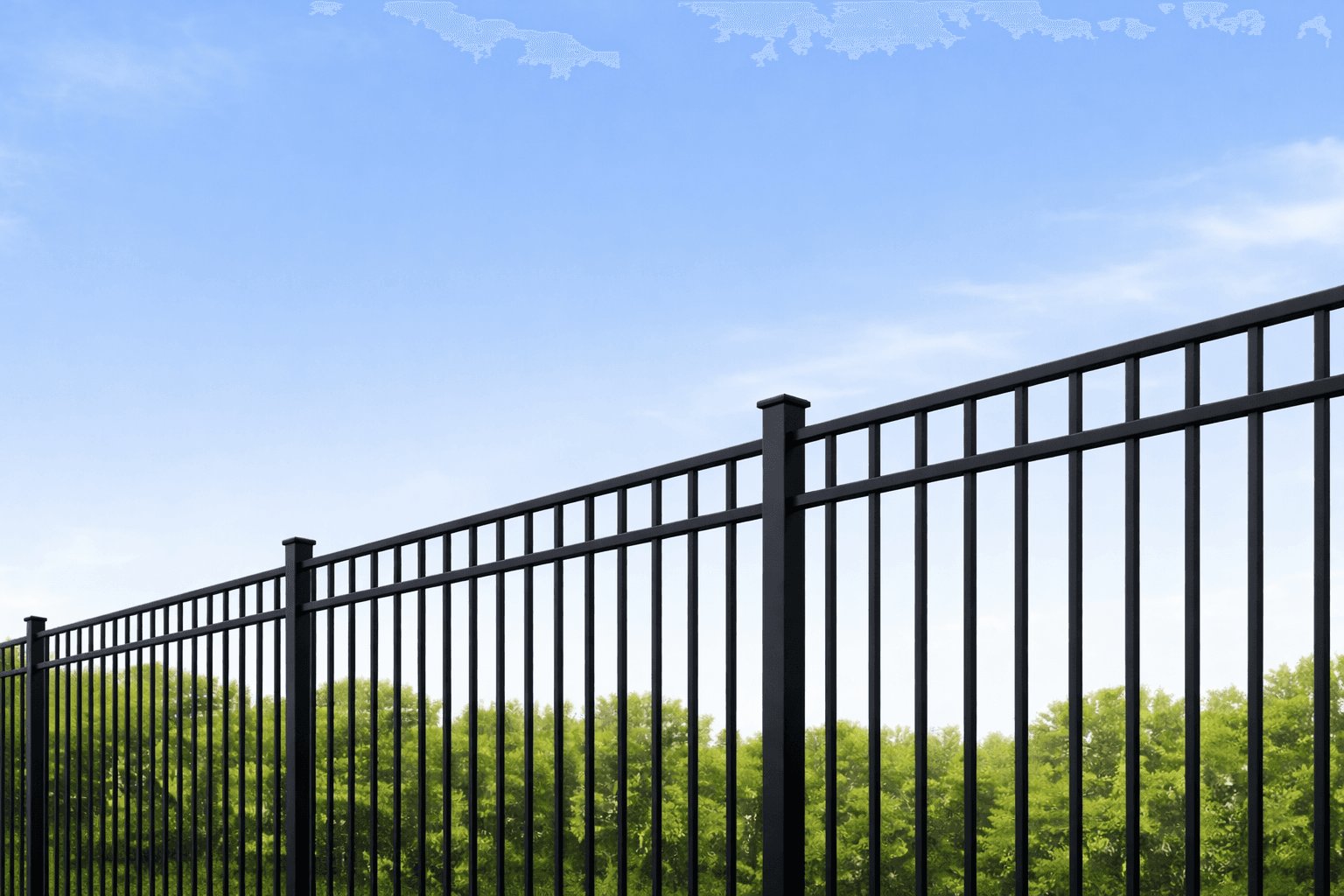
Horizon – A sleek flat‑top design with clean lines for modern homes. Available in multiple heights and colors, Horizon can be dressed up with optional finials or kept minimal for a contemporary look.
Charleston – Our pressed spear‑top fence captures the traditional charm of wrought iron while remaining lightweight and rust‑proof. It’s perfect for homeowners who want classic elegance without the upkeep.
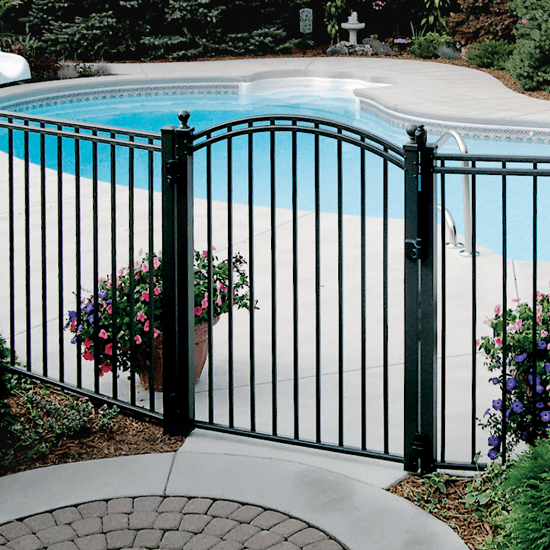
Haven – A flush‑bottom, three‑rail fence designed to meet pool safety codes. Haven provides secure enclosures for pools and play areas without obstructing views.
Solace – A full‑privacy aluminum fence using interlocking boards. Solace delivers complete seclusion with the same durability and powder‑coated finish as our ornamental lines.
Each Grandview panel is manufactured with precision, uses stainless‑steel fasteners and is backed by our lifetime warranty. Because we control the entire process—from design to powder coating—our fences provide superior strength, color longevity and rust‑free performance that you won’t find in big‑box alternatives.
Conclusion & Call to Action
Choosing between wrought iron and aluminum fencing ultimately depends on your priorities: budget, maintenance commitment, desired aesthetic and environmental impact. For most homeowners, aluminum delivers an unbeatable combination of durability, elegance and ease of ownership. It resists rust, requires virtually no upkeep, installs easily and can be recycled indefinitely. Wrought iron offers unmatched strength and traditional beauty, but it comes with higher costs and continuous maintenance.
If you’re ready to upgrade your property with a fence that looks great and lasts for decades, browse our Horizon, Charleston, Haven and Solace collections or request a custom quote. As a Michigan‑based, veteran‑owned company serving clients nationwide, we’re committed to delivering top‑quality fences and exceptional service.
Internal link: [Get a custom materials quote]([INSERT INTERNAL LINK TO CONTACT OR SHOP PAGE]).
Alex Royce
Fencing Specialist
Next blog